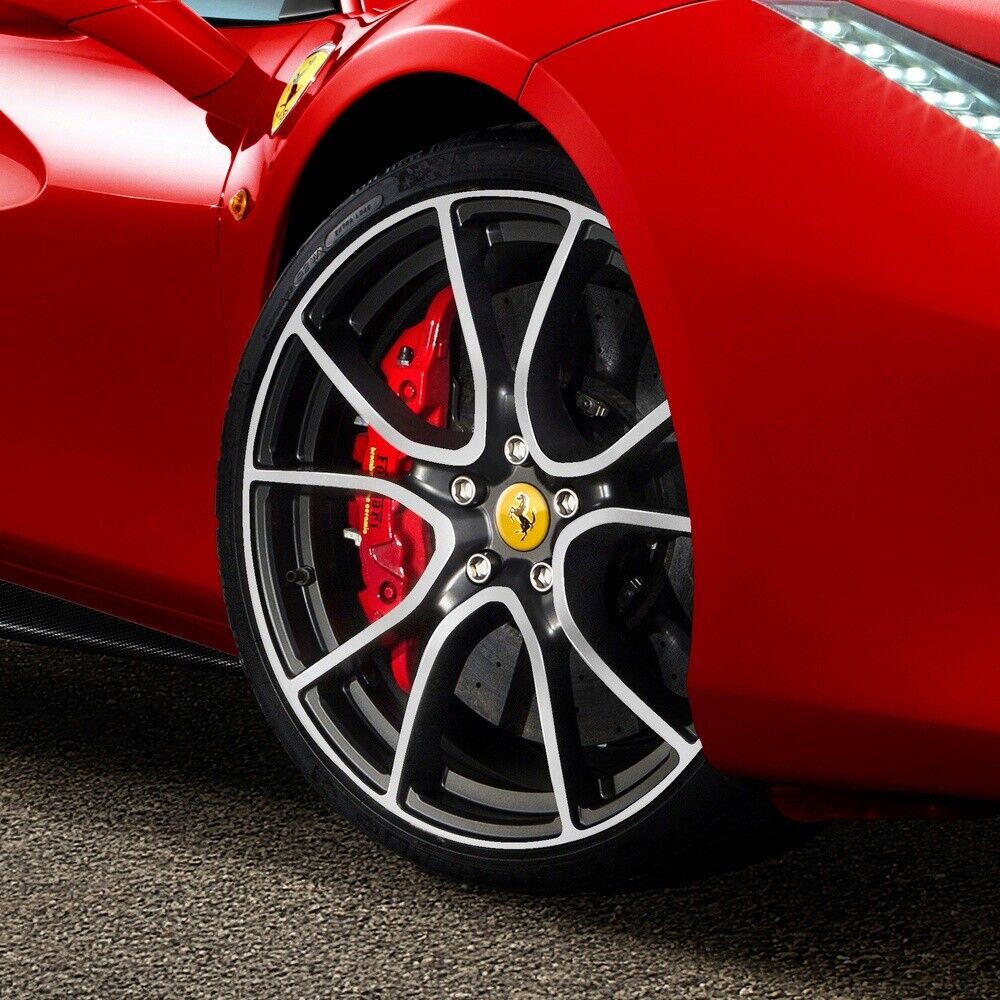

Understanding Wheel ET Explained: The Key to Perfect Fitment
Introduction to Wheel ET
Understanding wheel ET is crucial for anyone interested in vehicle performance and aesthetics. Wheel ET, or offset, plays a significant role in how your vehicle handles. It affects the stability, appearance, and overall performance of your car.
But what exactly is wheel ET, and why does it matter? In simple terms, wheel ET is the distance between the wheel's mounting surface and its centerline. This measurement is vital for ensuring that your wheels fit perfectly without causing issues.
A proper offset ensures that your vehicle handles well and looks great. Incorrect offset can lead to problems like tire rubbing and poor handling. Understanding wheel ET can help you make informed decisions when selecting wheels. Whether you're a car enthusiast or a professional, knowing about wheel offset is beneficial.
Find the Right Spacers for Your Car
Precision-engineered wheel spacers, designed and manufactured in-house by Brightstone Engineering.
It can enhance your vehicle's performance and appearance. This guide will explain everything you need to know about wheel ET. From definitions to practical implications, we'll cover it all. Let's dive into the world of wheel ET and discover its importance.
What is Wheel Offset?

Wheel offset is a fundamental aspect of wheel fitment. It determines the placement of the wheel in relation to the hub. This concept might seem technical, but it's quite simple. Offset is measured in millimeters and can be positive, negative, or zero.
Each type of offset has distinct characteristics affecting vehicle dynamics. The purpose of offset is to keep wheels aligned with the chassis. Manufacturers design vehicles with specific offsets to ensure optimal performance. Understanding offset helps in customizing and upgrading wheels effectively.
Let's explore the definition of wheel offset in more detail. Afterward, we'll discuss why it holds importance in vehicle performance.
Definition of Wheel Offset
Wheel offset is the distance between the wheel's hub mounting surface and its centerline. This measurement is crucial for ensuring that the wheels fit the vehicle properly. There are three types of offset: positive, negative, and zero.
Positive offset means the mounting surface is closer to the wheel's face. Negative offset has the mounting surface closer to the wheel's back edge. Zero offset indicates that the mounting surface is perfectly centered.
Here’s a simple breakdown of offset types:
- Positive Offset: Hub mounting is towards the outer edge.
- Negative Offset: Hub mounting is towards the inner edge.
- Zero Offset: Hub mounting is in the center.
Offset affects how the wheels sit within the wheel arches. It also impacts the track width, which is the distance between the wheels. A proper understanding of these offsets is essential for proper fitment.
Why is Wheel Offset Important?
Wheel offset plays a vital role in a vehicle’s handling and stability. Choosing the right offset is crucial for maintaining safety and performance. Incorrect offset can lead to serious issues, such as tire rubbing or suspension damage.
Offset impacts the geometry of the vehicle's suspension, affecting handling. It also influences the vehicle's stance, offering either a more aggressive or refined look. The right offset ensures that the wheels do not interfere with brake components. Choosing the incorrect offset can also affect the turning radius and maneuverability.
Here's why offset is important:
- Ensures proper clearance for brakes and suspension.
- Influences handling and stability during driving.
- Affects the aesthetic stance of the vehicle.
For custom installations, understanding offset is essential. It helps in maintaining the original ride quality and safe operation. In summary, wheel offset is crucial for both aesthetic and functional purposes in automotive design.
Wheel ET Explained

Wheel ET, short for "Einpresstiefe," is a German term that translates to "insertion depth." This measurement signifies how deep the wheel’s mounting flange sits relative to its centerline. ET, a crucial parameter in wheel design, profoundly affects how a wheel fits on a vehicle.
A proper understanding of ET is essential for effective wheel customization. Let's dive deeper into what ET really entails. The ET value in millimeters indicates the offset of the wheel. It informs us whether the wheel hub is positioned closer to the inside or the outside of the centerline.
A higher ET value means the wheel's mounting surface is closer to the outer edge. Conversely, a lower ET value suggests it's closer to the inner edge.
Here’s a breakdown of ET’s impact:
-
High ET Values:
- Promotes a tucked-in wheel appearance.
- Often requires less suspension or brake clearance.
-
Low ET Values:
- Pushes wheels further outwards.
- More suited for wider tires and aggressive stances.
Understanding ET is essential in aligning wheels with the wheel arches and preventing rubbing. Selecting the right ET ensures harmonious wheel engagement with the vehicle. This avoids unwanted contact with suspension or body components.
Additionally, ET affects overall vehicle handling and dynamics. A shift in ET can alter the vehicle's track width, impacting road grip. The ET specification helps in achieving the desired wheel fitment. Knowing ET is key in the quest for perfect fitment and ensuring optimal performance.
Find the Right Spacers for Your Car
Precision-engineered wheel spacers, designed and manufactured in-house by Brightstone Engineering.
What Does ET Mean on Wheels?
The term "ET" on wheels is an integral part of wheel specifications. It signifies the offset value, an aspect critical to wheel positioning on a vehicle. Knowing what ET represents on wheels helps in understanding fitment challenges. Understanding ET paves the way for avoiding common wheel-related issues. ET values directly affect the aesthetic appeal and functionality of wheel installations.
Here are key points to consider when dealing with ET:
- Identification: ET is usually denoted on the wheel rim, typically after the wheel size.
- Measurement Unit: ET values are standardized in millimeters.
- Relation to Offset: The ET number directly tells you about the offset.
- Deciphering ET Numbers: A higher number indicates a positive offset.
- Influences Ride Quality: Correct ET is essential for a comfortable driving experience.
- Modification Considerations: Incorrect ET can necessitate further modifications.
The balance of ET ensures that wheels not only look great but also deliver safety. Considering ET values is necessary to maintain manufacturer-recommended guidelines. This number contributes significantly to vehicle safety, handling, and overall aesthetics.
How to Find Out Wheel Offset
Locating the wheel offset is straightforward and vital for any wheel change. Wheel offset can usually be found printed directly on the wheel itself. It is typically stamped or engraved alongside the wheel's size. Understanding this number helps in knowing if new wheels will fit your vehicle correctly.
If you cannot locate the offset on the wheel, refer to the vehicle’s manual.
Here are methods to identify wheel offset:
- Examine the Wheel: Check inside the wheel hub for stamped offset values.
- Consult the Manual: Vehicle manuals often detail the wheel offset specifications.
- Seek Professional Help: Consult a professional who can accurately measure offset.
When engaging in custom wheel projects, always know the offset of your existing setup. Modern vehicles might use different offset values, so accuracy matters. If unsure, having your offset measured is crucial before purchasing new rims or tires. Knowing your current offset allows you to make informed decisions. This understanding prevents future fitment issues, ensuring safety and optimal performance.
Understanding Different Types of Offset
Wheel offset, critical for customization and performance, comes in three primary types. Each has unique effects on vehicle handling and aesthetics.
Understanding these types helps in making an informed decision for wheel selection. Offset determines how a wheel fits in relation to the hub.
The offset can significantly alter the car's handling, turning radius, and stance. Let's explore each type of offset to understand their distinct roles.
Wheel offset is typically categorized as positive, negative, or zero. Each category describes the position of the wheel's mounting surface relative to its centerline. Selecting the correct offset is crucial for achieving the desired vehicle performance and look.
Here's a more detailed look at the three categories:
- Positive Offset
- Negative Offset
- Zero Offset
By understanding these categories, you’ll know how wheel position affects clearance and performance. The choice of offset can significantly impact the overall driving experience.
Positive Offset
Positive offset means the wheel’s mounting hub is closer to the front. Most modern vehicles use this configuration for better fitment. This setup often tucks the wheels further into the wheel well. Positive offset is common in front-wheel-drive cars and enhances handling.
Here’s why it’s prevalent in many vehicle designs:
-
Benefits:
- Increases stability by offering better road contact.
- Suitable for narrow tires offering less drag.
- Enhances cornering grip.
-
Considerations:
- May limit the choice of wider tires due to clearance issues.
A higher positive offset can also affect brake clearance, often requiring spacers. Adapting the positive offset is crucial for avoiding suspension interference.
Negative Offset
Negative offset occurs when the hub faces towards the wheel's back. This creates a deeper dish appearance, popular in off-road and performance vehicles. It brings the wheel edge more outward than the vehicle’s hub mount. This setup gives a much wider stance and is favored for aesthetic and performance reasons.
Here’s why enthusiasts prefer negative offset:
-
Benefits:
- Offers a wider track width for stability.
- Ideal for large tire configurations.
- Enhances aggressive vehicle stance.
-
Considerations:
- Can cause increased steering effort.
- May lead to fender rubbing without proper modifications.
Negative offset wheels require attention to avoid interference with the vehicle’s bodywork. Carefully ensuring fitment is vital when opting for negative offset.
Zero Offset
Zero offset occurs when the wheel hub aligns directly with the centerline. This balance offers an even distribution, typically seen in older and specialty vehicles. Zero offset creates an equal distance from the wheel flange to both inner and outer edges. This offset balances wheel fitment for classic designs.
Here’s what zero offset brings to the table:
-
Benefits:
- Provides even weight distribution.
- Offers a balance between stability and aesthetic.
- No alteration of track width ensures easier vehicle tuning.
-
Considerations:
- Limits wheel style choices in modern applications.
Zero offset is less common but desirable for maintaining vintage vehicle specifications. The choice of zero offset ensures wheels fit squarely without modification, retaining the vehicle's intended geometry. Selecting zero offset is often crucial in maintaining authenticity with classic car restorations. It's an excellent choice for those seeking balance without altering the vehicle's original dynamics.
Wheel Dimensions Explained
Understanding wheel dimensions is crucial for achieving ideal fitment. Dimensions affect performance and vehicle aesthetics significantly.
A wheel's dimensions include its diameter, width, and offset (ET). These measurements directly influence handling and stability.
Properly matching dimensions with your vehicle's needs ensures optimal performance. When wheel dimensions align well, the vehicle feels balanced and responsive.
Wheel width affects how a tire mounts and performs. Wider wheels can accommodate larger tires, increasing grip on the road.
However, increasing wheel width without adjusting other dimensions can lead to clearance issues. Correct width choice improves handling without causing problems.
Diameter impacts ride comfort and clearance. Larger diameters often improve aesthetics but can alter ride quality.
A larger diameter can reduce sidewall height, affecting cushioning and comfort. Choose diameter wisely to maintain balance.
Offset, as discussed, positions the wheel relative to the car’s hub. The offset must complement the wheel's width and diameter for proper fitment.
Here’s a quick breakdown of the key dimensions:
- Diameter: Determines tire size and fitment.
- Width: Affects tire contact and handling.
- Offset (ET): Influences wheel positioning.
Dimensions are best balanced according to vehicle design and driver preference. Proper understanding helps in selecting wheels that align with these parameters.
How Wheel Size Affects ET
Wheel size plays a significant role in determining the correct ET (offset). A change in wheel size, either diameter or width, necessitates an offset adjustment.
As wheel width increases, the offset must change to avoid interference. Wider wheels usually require adjustments in offset to maintain proper alignment.
It's a delicate balance ensuring that everything fits within the wheel well without rubbing.
Here's how it works:
- Increased Diameter: Larger diameters often require reduced offsets to maintain clearance. They can affect the car's handling characteristics.
- Increased Width: Wider wheels expand outward and inward, affecting offset choice. They might need an offset that prevents contact with suspension components.
- Decreased Width or Diameter: These might allow for increased offset. They can provide more room in the wheel well, enhancing flexibility.
Adjusting offset with size changes ensures that wheels remain properly aligned and do not cause friction. Careful consideration avoids common pitfalls such as fender contact or improper tire wear. Awareness of how changes affect ET helps in informed decision-making. This knowledge prevents unexpected issues when selecting new wheels.
Common Wheel Specifications
Every wheel comes with specific specifications essential for proper installation and performance. Understanding these specifications helps align wheels with your vehicle’s demands.
Common wheel specifications include the bolt pattern, hub diameter, and load rating. These factors determine wheel compatibility with your car.
Bolt pattern is the number of lug holes and their arrangement. It’s essential for ensuring the wheel mounts securely to the hub.
Hub diameter must match the vehicle’s hub for snug fitment. Mismatching can lead to wheel vibration and unsafe conditions.
Load rating is a measure of how much weight the wheel can handle. Exceeding this can lead to failure and compromise safety.
Let’s clarify these specs:
- Bolt Pattern: Number and arrangement of lug holes ensuring secure attachment.
- Hub Diameter: Size of center bore aligning with vehicle hub for stable fitment.
- Load Rating: Maximum weight tolerance crucial for safety.
These specifications ensure that the wheels perform under various conditions without issues. They are critical for both safety and optimal performance. Considering these factors ensures the wheels meet both vehicle requirements and driver needs effectively.
Practical Implications
Understanding wheel offset has practical benefits for car owners. Correct offset ensures safety and enhances performance.
Improper offset can lead to numerous issues, including tire rubbing and suspension damage. It can also detract from the vehicle's appearance.
Those passionate about automotive aesthetics often seek the right offset to achieve a specific look. This may mean flush wheels or a wider stance.
Practically speaking, selecting a wheel with the appropriate offset can boost handling. Proper offset helps maintain the vehicle's natural stability and dynamics.
It’s also crucial for maximizing brake clearance. Sufficient space between the wheel and brake components is necessary to prevent interference.
Offset affects tire life significantly. An incorrect offset results in uneven tire wear, reducing lifespan.
Two practical lists can help guide offset adjustments:
-
Benefits of Correct Offset:
- Improved handling and stability
- Optimal tire wear and longevity
- Enhanced vehicle aesthetics
- Better brake clearance
-
Issues with Incorrect Offset:
- Tire rubbing against the wheel well
- Poor vehicle handling
- Potential suspension damage
- Decreased tire life
A thorough understanding of offset implications aids in making informed wheel choice. It also helps avoid common pitfalls and problems.
ET 35 vs ET 40: What’s the Difference?
Choosing between ET 35 and ET 40 can impact a vehicle's performance significantly. Each offset brings distinct advantages and considerations.
ET 35 typically refers to a wheel with a lower offset than ET 40. This means the wheel sits further out from the hub.
A lower offset, such as ET 35, might be preferred for a more aggressive stance. It widens the track, potentially enhancing cornering grip.
Conversely, ET 40 pushes the wheel closer to the vehicle's centerline. This setup might improve clearance, preventing contact with fenders.
Here's a comparison:
-
ET 35:
- Wheels protrude outward more.
- Aggressive look with wider stance.
- May improve cornering but can lead to rubbing.
-
ET 40:
- Wheels sit closer to the hub.
- More conservative fitment.
- Reduces the risk of rubbing against fenders.
Consideration of driving conditions and aesthetic preferences determines the choice. Always weigh potential benefits against practical limitations for optimal fitment.
How to Choose the Right Rim for Your Vehicle
Selecting the right rim for a vehicle involves understanding several factors. Rim selection impacts both performance and safety.
Begin by verifying your vehicle's specifications. These provide guidelines for offset, diameter, and width suitable for the model.
Consider the purpose of your vehicle. Are you prioritizing performance or aesthetics? This choice influences rim size and style selection.
Ensure that the rim's load rating matches your vehicle's demands. It's vital for maintaining safety under normal driving conditions.
In summary:
- Evaluate Vehicle Specs: Confirm compatibility with manufacturer guidelines.
- Determine Use Purpose: Decide between performance, aesthetics, or a balance.
- Verify Load Rating: Align rim capacity with vehicle weight and usage.
By following these steps, you can make an informed decision, ensuring the rims enhance your driving experience.
Common Mistakes in Wheel Selection
Choosing the right wheels can be tricky. Many make common mistakes that affect performance and aesthetics.
One frequent error is ignoring the correct offset. Using a wrong offset can lead to poor handling and tire wear.
Underestimating the importance of wheel dimensions is another mistake. Incorrect diameter or width can cause clearance issues.
Failing to match wheels with tires is also a common pitfall. This mismatch affects handling and can lead to safety concerns.
Here are common mistakes to avoid:
- Misjudging Offset: Leads to handling and wear issues.
- Ignoring Dimensions: Causes fitment and clearance problems.
- Mismatching Tires and Wheels: Creates handling and safety challenges.
Avoid these mistakes by paying attention to specifications and consulting with experts. Proper choice of wheels is essential for achieving the desired performance and look.