



Do You Need an Alignment After Installing Wheel Spacers?
Do You Need an Alignment After Installing Wheel Spacers?
When you install a new set of wheel spacers, one question keeps popping up: do you need an alignment after installing wheel spacers?
It's worth asking. Especially if you've spotted a change in how your car sits or feels.
Here's the thing. Wheel spacers push the wheels slightly outward from the hub. This shift can improve handling, add clearance, and change the look. Plenty of drivers fit them to get a more aggressive stance. But does every spacer installation need an alignment check? Not really.
At Brightstone Engineering, every hubcentric wheel spacer is CNC machined in the UK to exact tolerances. That precision keeps the wheel perfectly centred on the hub. It maintains the original suspension geometry and steering alignment. In most cases, fitting quality hubcentric wheel spacers doesn't require a fresh alignment. Though there are times when it's a good idea.
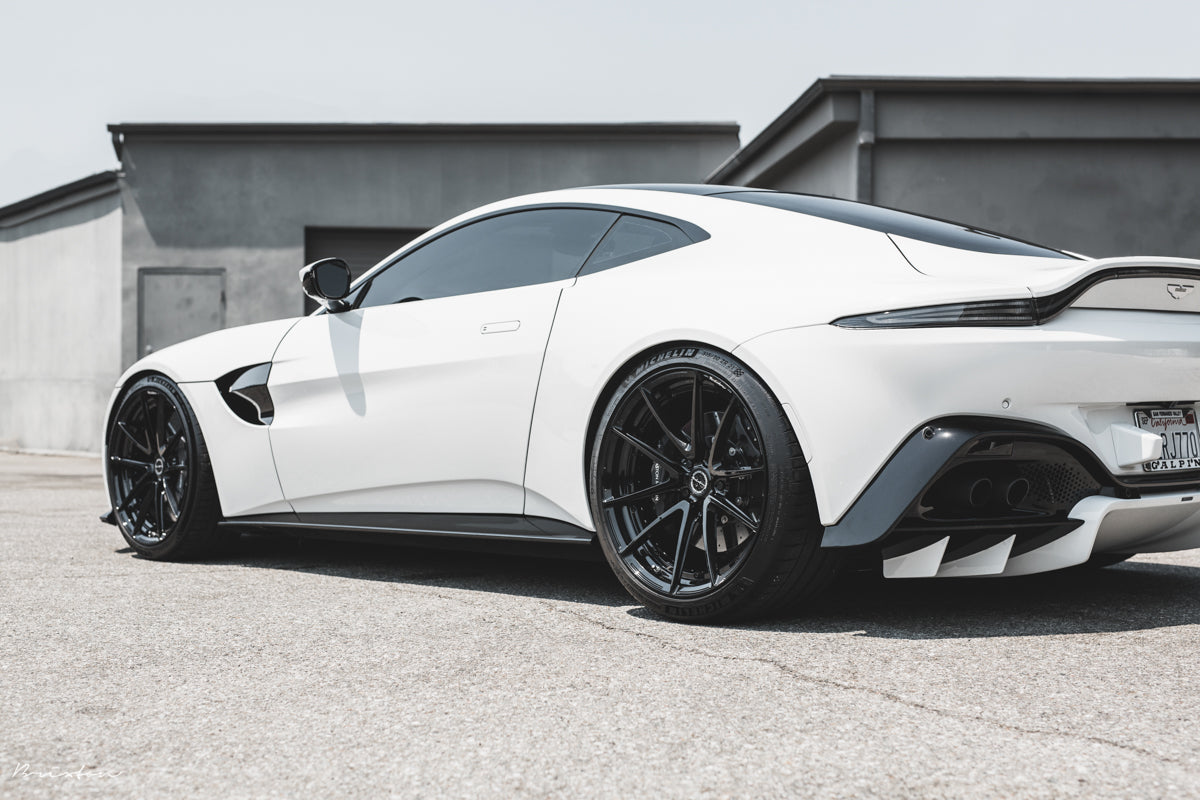
This article explains when an alignment is needed and when it isn't. How to spot the difference. It also covers how wheel spacers affect track width, steering response, and vibration. We'll use real examples from vehicles like the BMW M4, Aston Martin Vantage, and Land Rover Defender 90.
Understanding Wheel Spacers and Vehicle Alignment

When people ask do you need an alignment after installing wheel spacers, they're usually worried. Will the car start pulling? Will it eat through tyres?
Fair concern. But alignment isn't some mystery.
It's about keeping the wheels pointed the right way. Keeping the tyres sitting flat on the road. Those settings—toe, camber, and caster—come from the suspension. Not the spacers.
A wheel spacer just moves the wheel outward. Increases the track width by a few millimetres. You'll see the stance widen. Maybe feel a small change in steering weight. But the actual suspension angles? They stay put.
This is where quality matters.
A hubcentric wheel spacer sits snugly on the hub lip. Keeps the wheel dead-centre. That's what stops vibration. Prevents the bolts from carrying all the load. A flat universal spacer without that centre support can shift slightly under pressure. That's when geometry problems creep in.
If the spacer fits tight on the hub and the wheel seats cleanly, your suspension geometry stays within spec. Things like wheel offset, scrub radius, and toe all remain where they should be. So when people say spacers "mess up alignment," they're really talking about poor fit. Cheap hardware. Not the spacer itself.
What about that small change in width? Can it alter handling and steering feel? Yes. Sometimes it's worth booking an alignment check just to make sure everything's sitting right.
How Wheel Spacers Affect Geometry and Handling

Wheel spacers don't change much. But what they do change matters.
The main thing they alter is track width. Moving the wheels out gives the car a wider stance. That alone can make it feel more planted through corners. Sharper when turning in.
Here's what doesn't move: toe, camber, and caster angles. All stay where they were set by the suspension. The spacer just shifts the wheel further out on the hub face.
If you're using hubcentric wheel spacers, the wheel stays perfectly centred. The suspension geometry stays the same.
That's why a good fit counts. A proper hubcentric wheel spacer holds the wheel square. Keeps the wheel offset and scrub radius within the limits the factory designed. The car drives straight. The steering feels solid. Tyre wear stays even.
Go too thick and you'll feel a small change in steering feedback.
For example. A 12mm spacer per side on a BMW M4 or Maserati MC20 will widen the track width by 24mm total. It gives a stronger stance. A bit more weight in the steering. That's part of the look and feel people want.
If you notice vibration after wheel spacers are fitted, it's not alignment. That's usually down to poor fit. The wheel not sitting flat on the hub. Cheap flat spacers are often the culprit.
So when someone asks, do spacers affect alignment? The short answer is no.
Not when the spacer is machined properly and torqued down right.
When does an alignment check actually make sense? When can you skip it? That's next.
When You Should (and Shouldn't) Get an Alignment

People often ask if they need an alignment after fitting spacers.
The honest answer: sometimes. But not always.
If all you've done is add a set of hubcentric wheel spacers, you usually don't need one. The spacer only moves the wheel outward. Doesn't change toe, camber, or caster. The suspension geometry stays how it was before.
You fit the spacers. Torque the bolts. Drop the car back down. Done.
If it drives straight, the steering wheel sits square, and the tyres wear evenly? You're fine. No alignment needed.
But there are times when checking makes sense.
If you've changed more than one thing—maybe fitted coilovers, replaced control arms, or lowered the car—then yes. Book an alignment check after installation. Same goes if the car hit a pothole or kerb. Or you start seeing uneven wear on the tyres.
It's quick to check. A garage can put the car on an alignment machine and measure it in minutes. Think of it as cheap peace of mind.
You'll also hear people say spacers "mess up alignment."
They don't.
What usually causes problems is poor fitment. Flat spacers with no centre lip. Bolts torqued unevenly. A proper hubcentric wheel spacer fitted cleanly won't affect alignment at all.
In short. If the car feels right, drives straight, and the wheel sits true on the hub? Leave it alone. If something feels off, get it checked. Simple as that.
What happens in practice? Let's look at a few real examples. Cars like the BMW M4, Aston Martin Vantage, and Land Rover Defender 90 fitted with spacers. How they behave on the road.
Example Fitments and Real-World Results

Let's look at what happens in practice.
BMW M4
The BMW M4 is a good test case.
A 12mm hubcentric wheel spacer per side widens the stance by 24mm overall. Fills the arches perfectly without rubbing. Gives the car a more planted feel. No change in wheel alignment after spacers. The steering stays sharp. Tyre wear is normal.
Owners usually go for 10mm front and 12mm rear spacers.
The result is a subtle track width increase. A stronger stance. Again, alignment stays within spec. A quick road test confirms straight tracking and smooth feedback through the wheel.
Maserati MC20 Wheel Spacers
The Maserati MC20 wheel spacers we produce are machined for an exact hub fit.
Even with 14–20mm thickness, there's no pull. No vibration after wheel spacers are fitted. The hubcentric design keeps everything true. So there's no reason for a fresh alignment unless other suspension parts were changed.
Land Rover Defender Wheel Spacers
A different story here.
Off-road vehicles see more suspension movement. The tyres take more abuse. After fitting Land Rover Defender wheel spacers, it's smart to check alignment. Mainly because these vehicles get knocked around on trails. It's not the spacer causing it. It's the rough use that can nudge things out of line.
Porsche Wheel Spacers Setup
Porsche drivers often fit 7mm to 10mm spacers for better stance.
The Porsche wheel spacers setup is straightforward. Torque wheel spacer bolts correctly and check wheel balance and vibration. Alignment readings usually stay the same. If you track the car or drive hard, get it checked once a year anyway.
Each of these setups shows the same thing. When the spacer is built accurately and centred on the hub, alignment doesn't move.
Problems start only when the fitment is off or the hardware is poor quality.
That's why every set from Brightstone Engineering is machined in-house from 6082-T6 aluminium. Finished right here in the UK.
How do you check your own alignment after fitting spacers? Let's go through a quick guide on what to look for.
How to Check Alignment After Installing Wheel Spacers

You don't need fancy tools to tell if your car's alignment is still good.
A few quick checks can tell you most of what you need to know.
1. Drive it straight.
Find a flat road. Take your hands off the wheel for a moment. See if the car tracks straight. If it drifts or the steering wheel sits slightly off-centre, book an alignment check after installation.
2. Look at your tyres.
Even wear across the tread means your wheel alignment after spacers is still fine. If one edge wears faster? Something's out.
3. Feel for vibration.
If you notice any shake through the wheel, it's rarely alignment.
It's usually wheel balance and vibration from a spacer that isn't sitting perfectly flush. A proper hubcentric wheel spacer should prevent this completely.
4. Torque the bolts again.
After 50 to 100 miles, recheck the bolts. Make sure they're at the correct torque.
For most M14×1.5 bolts, that's around 120Nm. But always follow your car's spec. This small step avoids problems later. Remember to torque wheel spacer bolts correctly every time.
5. Check with a shop if unsure.
If anything feels off, get an alignment check after wheel spacers are fitted. Most garages can measure toe and camber on an alignment machine in a few minutes. It's quick. Cheap. Removes all guesswork.
That's really it.
No big mystery. Fit the spacers. Torque them evenly. Test drive. Check your tyres. If everything feels right, you're done.
What about all those myths you hear? Let's clear up a few common ones about spacers and alignment.
Common Myths About Wheel Spacers and Alignment
There's a lot of bad info floating around about spacers.
Let's clear up a few of the most common ones.
Myth 1: Wheel spacers ruin alignment.
They don't.
Alignment comes from the suspension setup. Not the spacer. A properly fitted hubcentric wheel spacer keeps the wheel centred. Doesn't change camber, toe, or caster. Poorly made flat spacers are usually to blame for any problems.
Myth 2: All spacers cause vibration.
Only if they don't fit right.
Vibration after wheel spacers are fitted happens when the wheel isn't sitting square on the hub. That's why every set of Brightstone Engineering wheel spacers is machined precisely for each fitment. Tested before shipping.
Myth 3: You always need an alignment after fitting spacers.
Not true. Most of the time, it isn't needed.
The wheel spacers alignment required message comes from shops trying to be cautious. But in most cases, alignment readings won't change unless something else in the suspension moves.
Myth 4: Spacers are unsafe.
Good ones aren't.
Cheap cast spacers made overseas can be a risk. But CNC-machined hubcentric wheel spacers UK made from quality 6082-T6 aluminium are safe for daily driving and track use. When installed and torqued correctly, they're as secure as the factory hub itself.
The key is simple: quality parts, clean surfaces, and correct torque.
Follow those three rules. You'll never have spacer-related issues.
Time to wrap this up. What should you do after fitting spacers? When is alignment worth checking?
Keep It Straight and True
So, do you need an alignment after installing wheel spacers?
Most of the time, no.
If the spacers are hubcentric, fitted cleanly, and torqued to the right spec, your alignment won't move. The suspension geometry stays as it was. The car drives exactly how it should.
You'll only need an alignment check if you've changed other parts at the same time. Things like coilovers. Arms. Bushings. Or if the car feels off.
Otherwise? Fit the spacers. Tighten them evenly. Enjoy the difference in stance and road feel.
Good spacers make that possible. That's why Brightstone Engineering produces every set in-house. CNC-machined from 6082-T6 aluminium. Finished here in the UK. Every detail, from the hub lip to the bolt seat, is built for precision and safety.
If you're ready to give your car a wider, more confident stance, have a look at our Wheel Spacer Collection. Every set is made in Britain. Built to last. Designed for the perfect fit.